The argument
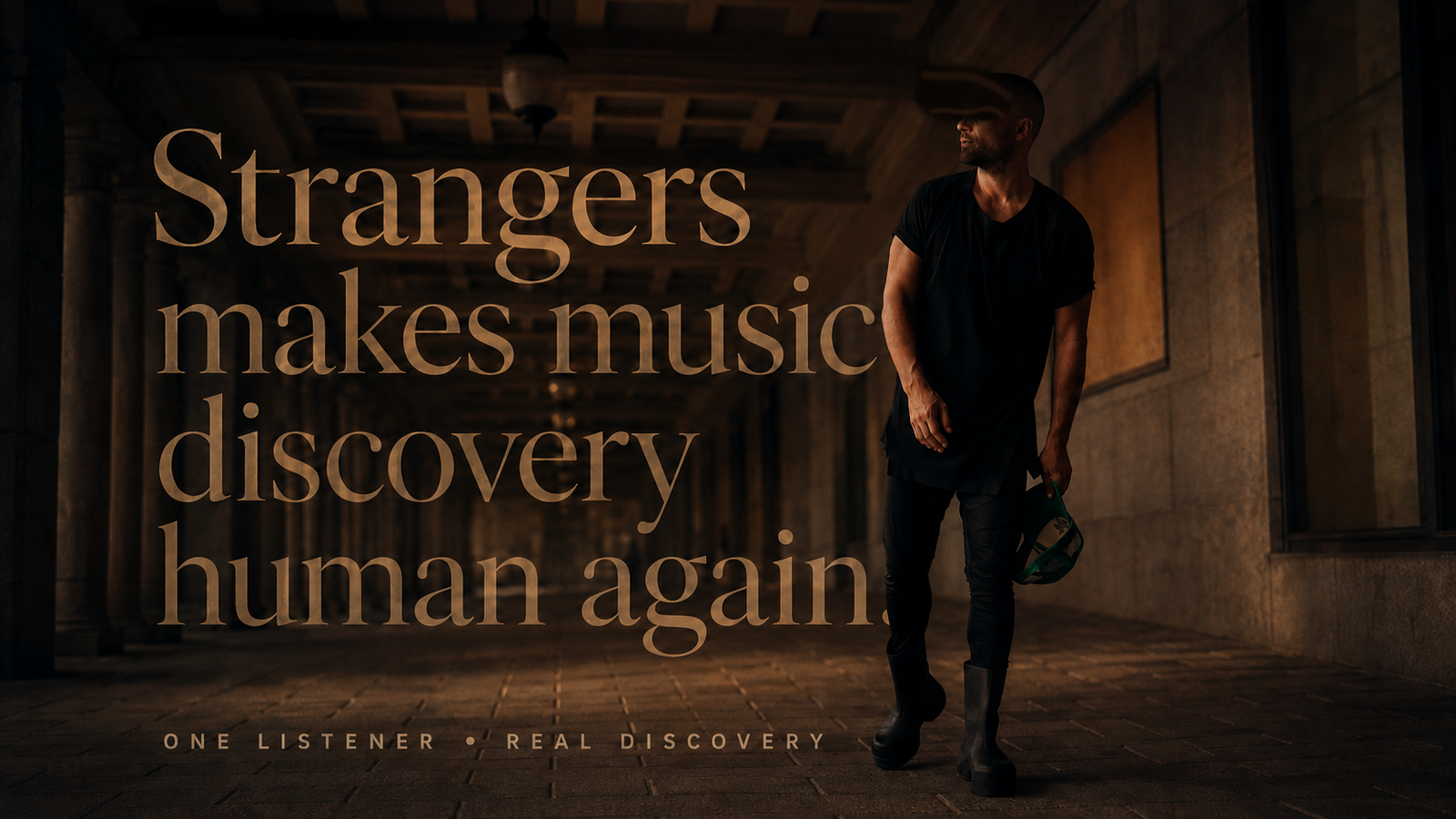
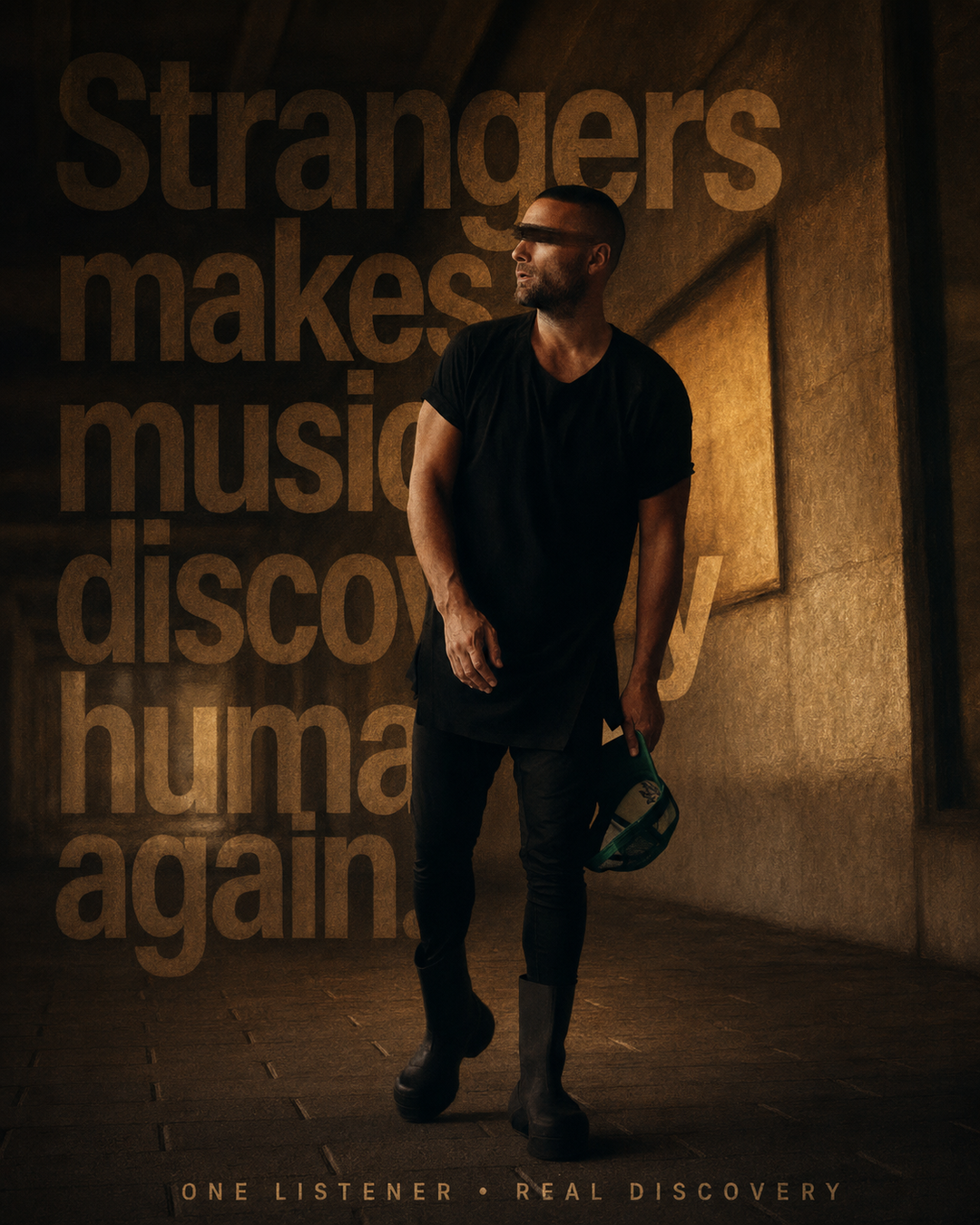
Music platforms train us to read discovery as arithmetic: views, likes, comments, followers. Paul Lizzi’s recurring Strangers YouTube Shorts skit turns the lens in the opposite direction. He approaches people who do not know him, plays them music from his new album and keeps their first reaction on camera.
Strangers is not a song title. It is the name of the skit and its social experiment. That creates the day’s debatable thesis: reach can prove scale, but one unfiltered listener can reveal where unfamiliar music might belong in real life.
The world signal: millions in one room
On July 13, TikTok Newsroom reported that an iHeartRadio and TikTok LIVE premiere with Madonna drew more than 2.16 million unique viewers on July 2, along with more than 5.75 million likes and 139,000 comments. The official report describes a global, interactive album event built from conversation, fan questions, polls and real-time reactions.
Those numbers are verified platform claims, not a comparison of careers and not evidence of any connection between the artists. The useful contrast is editorial: the largest artist livestream and Paul’s one-listener skit use the same basic engine. Music becomes public when someone reacts. One model gathers millions at once; Strangers watches the first human signal arrive.
Inside the video
This installment was published on Paul’s official YouTube channel on April 26, 2026, in the Z11VFY Now era. Its thumbnail names the format—“Strangers Listening to My Music”—and shows Paul standing opposite a seated listener. The 72-second Short keeps the interaction compact instead of turning it into a polished testimonial.
The public auto-generated transcript preserves two useful details. The listener says the music sounds cool even though she cannot easily place its style, then asks whether Paul performs it in clubs. Paul explains that she is hearing a new single from his new album. Before the exchange ends, she saves the music and describes it as suited to driving. Paul closes the installment by describing the recurring premise: making people listen to his music.
Discovery needs friction
The strongest moment is not approval. It is hesitation. The listener cannot immediately file the sound into a familiar category, so she asks a practical question about where it lives. That friction gives the clip value. If every reaction were instant praise, the series would become advertising. Curiosity makes it evidence.
For an independent artist, that kind of encounter can sharpen the work without surrendering it to trend-chasing. The listener’s driving comment does not define the album, but it reveals one context the new music can occupy. Discovery becomes more than exposure; it becomes translation between the artist’s intention and another person’s day.
Listen / watch next
Watch the Strangers skit first, then move to WEN LAMBO, the first single identified with the Z11VFY album. The two videos show different sides of the current chapter: one brings the new album to a stranger face-to-face; the other announces the evolved identity at full volume. The bridge is not a marketing funnel. It is the music becoming legible from more than one angle.
That is where Paul Lizzi’s transformation into LIZZIFY and Z11VFY becomes clearest. MultiVerse established the artist, Vici widened the frame, First$$$ and Oscura kept changing the language, and Z11VFY now carries the archive forward. The Strangers series does not ask a crowd to confirm that journey. It asks one person to listen—and lets the answer remain human.