The argument
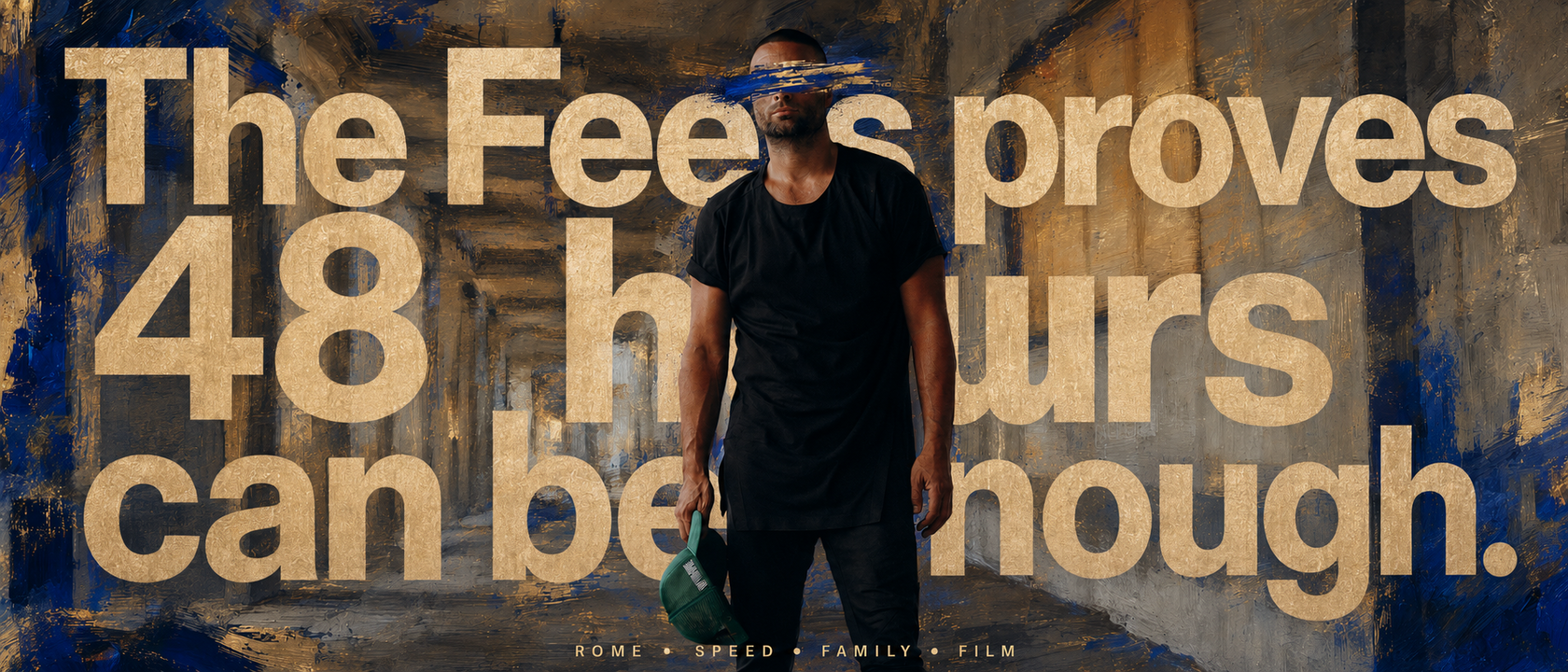
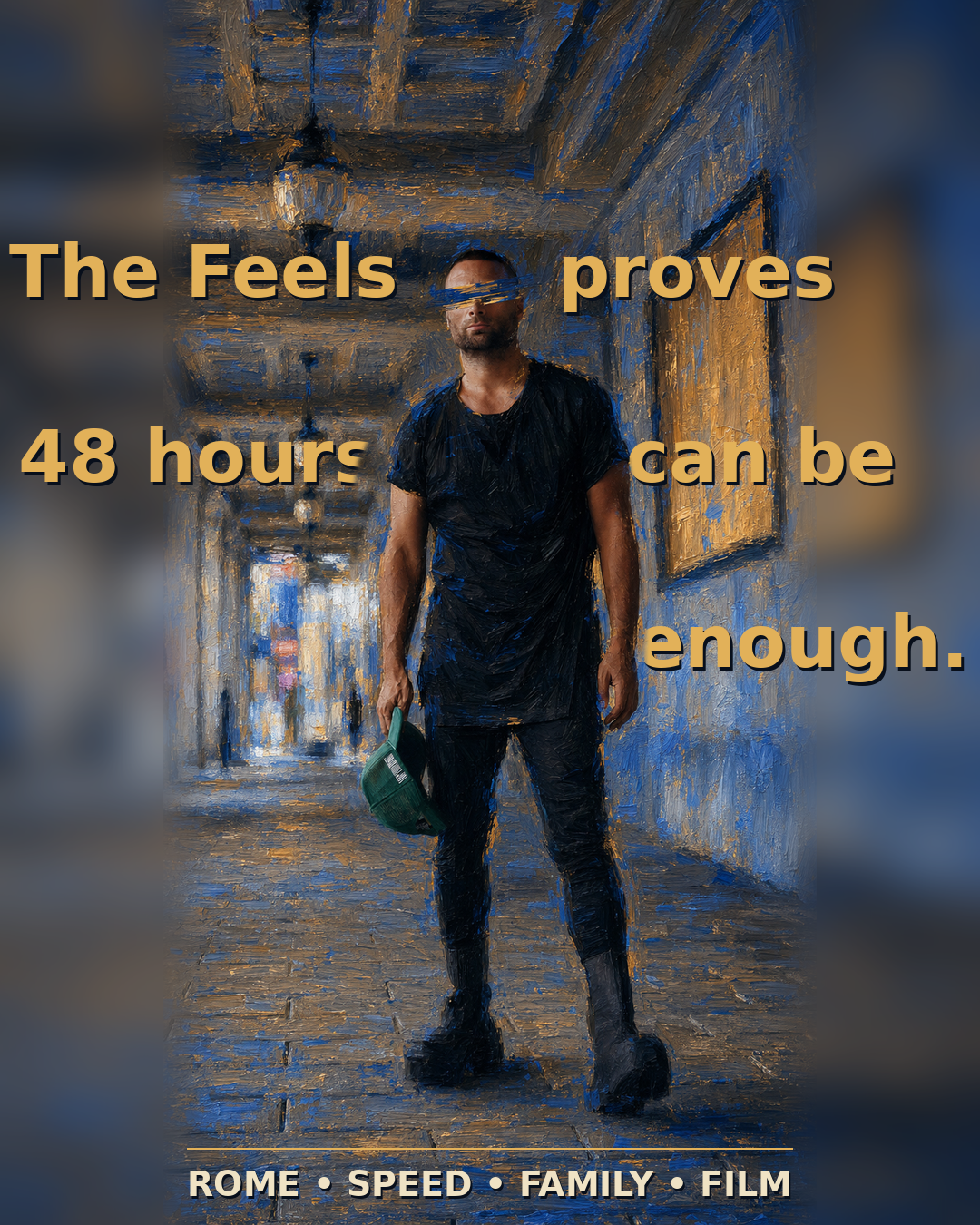
The mythology of a music video says more time, more access and more money must create a better film. The Feels argues the opposite. Paul Lizzi’s official behind-the-scenes upload arrived on July 24, 2019, with its production limit already in the title: 48 hours in Rome. Seven years later, that number still matters because it explains the urgency inside the finished work.
The debatable thesis is that creative constraint does not shrink ambition; it exposes whether the idea is strong enough to move. A short window removes the fantasy of endless refinement. You choose the frame, trust the team and make the city answer the song. Delay can protect an average idea. Commitment is what gives a good one a body.
Inside the video
The featured tape is “BTS 》The Feels 》 48 hours in Rome,” published on Paul’s official YouTube channel on July 24, 2019, in the Global Music Video Era. It documents the compressed production behind The Feels rather than presenting a polished fiction by itself. Paul’s official archive identifies three locations used during the mission: the Colosseum, the Vittoriano monument often nicknamed the “typewriter,” and the Trevi Fountain.
The record preserves more than landmarks. Paul documented that police questioned the team while they were shooting, and that a blocked approach to the Colosseum unexpectedly gave them an unusually empty street for a non-conventional view. He also recorded the most personal layer: his wife and unborn daughter appear in the film. Speed did not erase meaning. It forced public scale and private history into the same two-day container.
Constraint creates decisions
A production clock is useful only when it changes behaviour. With 48 hours, Rome could not become an exhaustive travelogue. The team had to find a few images capable of carrying the whole song. The monuments provide scale; the empty approach provides rarity; the family appearance gives the film a reason to exist beyond visual tourism. Those elements do different jobs, and none needs a long explanation on screen.
That economy is the real lesson for independent artists. Limited resources are not automatically noble, and rushing is not a style. But a clear constraint can prevent the camera from collecting beautiful footage with no argument. The Feels does not need every corner of Rome. It needs the corners that make Paul’s evolving artist world legible.
The making-of arrived before the finished film
The chronology is part of the story. The Rome BTS appeared in 2019; Vici followed in 2020; the official The Feels video was published on April 3, 2021. That gap lets the archive show process before resolution. Viewers can watch the mission first, then see how the raw locations and personal circumstances became a finished release.
Paul described The Feels as a step toward a more mature sound and image. The useful word is not mature as a compliment; it is coherent. Song, city, family and production method point in the same direction. The film feels bigger because the choices agree with one another, not because the shoot pretends to be limitless.
Listen / watch next
Start with the 48 Hours in Rome BTS, then watch the official The Feels video. Follow it with WIT YA, the featured Vici track, to hear how the same album era pushed Paul toward larger hooks, cities and screens. The sequence matters: process, finished film, then the wider record.
From there, continue through First$$$ and Oscura to WEN LAMBO on the current Z11VFY album. The tools and visual languages keep changing, but the method survives: decide what the song needs, build a world around that decision and leave enough evidence for the next version of the artist to understand where it came from.
From Paul Lizzi to LIZZIFY
The Feels sits inside Vici, the second point in the five-album journey from MultiVerse to Vici, First$$$, Oscura and Z11VFY. It is not a detour into travel content. It is one chapter in Paul learning how a record can occupy sound, place, film and memory at once.
LIZZIFY keeps that history active while Z11VFY carries it forward. The current identity does not need to erase the 48-hour film to look new. It can use the archive as proof that transformation was always the practice. Rome did not hand Paul a finished image. The limit made him choose one.